- Sustainability
Powering Progress Through Sustainable Action
- EHS
Environment, Health & Safety
Our EHS framework integrates responsible environmental practices, safe operations, and worker wellbeing to ensure sustainable and compliant manufacturing.
Environment
Manufacturing processes emphasize resource efficiency, emission control, and responsible facility management to minimize environmental impact across operations.
Health
Employee wellbeing is supported through controlled manufacturing environments, continuous monitoring, and workplace practices designed to protect worker health.
Safety
Strict safety standards, testing protocols, and internationally recognized management systems guide safe operations across facilities and transformer production.
Our Commitment to a Greener and Cleaner Future
TATL is advancing environmental responsibility through cleaner processes, efficient resource use, and a long-term focus on reducing operational impact across every stage of transformer manufacturing.
Our sustainability approach combines responsible engineering, global certifications, and continuous improvement to support safer, more efficient energy systems for communities and industries.
Building Transformers with Environmental Care
Our facilities operate with climate-controlled winding areas, dry air systems, and optimized energy processes that minimize emissions and waste. By integrating efficient technologies, controlled environments, and strict quality standards, we ensure responsible manufacturing that protects resources while delivering high performance.
Our Pillars of Environmental Excellence
Energy and Resource Efficiency
Waste and Emissions Management
Safe Materials and Chemical Handling
Sustainable Product Lifecycle
Worker Health and Safety
Energy and Resource Efficiency
Smart Resource Use
High efficiency equipment, optimized test benches, and controlled process environments reduce electricity and heat loss while improving throughput, supporting responsible energy use across production.
Process Optimization
Vacuum systems, dry air generators, and vapour phase drying deliver faster, cleaner processing cycles that cut thermal load, conserve resources, and maintain performance accuracy in every operation.
Waste and Emissions Management
Smart Resource Use
Dedicated oil handling systems, spill-proof storage, and monitored filtration processes limit contamination risks and help maintain safe, low emission operations throughout transformer manufacturing.
Process Optimization
Closed loop systems for oil, controlled degassing, and reduced exposure during pre-tanking ensure minimal environmental discharge while supporting compliance with ISO 14001 based practices.
Safe Materials and Chemical Handling
Smart Resource Use
Certified insulation materials, compliant transformer oils, and monitored consumables ensure safe usage, reduced exposure, and adherence to environmental and occupational safety norms during all stages.
Process Optimization
Strict handling procedures, dry air systems, and automated chemical processing reduce manual contact, enhance workplace safety, and maintain purity levels required for high voltage manufacturing environments.
Sustainable Product Lifecycle
Smart Resource Use
Energy efficient transformer designs, lower loss components, and responsible material selection contribute to long service life while reducing the lifecycle energy footprint of every product delivered.
Process Optimization
Advanced design tools, extended load-handling capability, and optimized thermal systems ensure long term performance, lower maintenance needs, and improved sustainability across the full operating lifecycle.
Worker Health and Safety
Smart Resource Use
Climate controlled winding areas, dust regulated environments, and certified safety gear create safer working conditions and help reduce exposure to heat, contaminants, and airborne particles.
Process Optimization
Structured safety procedures, ISO 45001 aligned systems, and monitored handling zones lower operational risks, improve ergonomics, and safeguard teams during lifting, assembly, testing, and chemical processes.
TATL's Commitment to a greener future
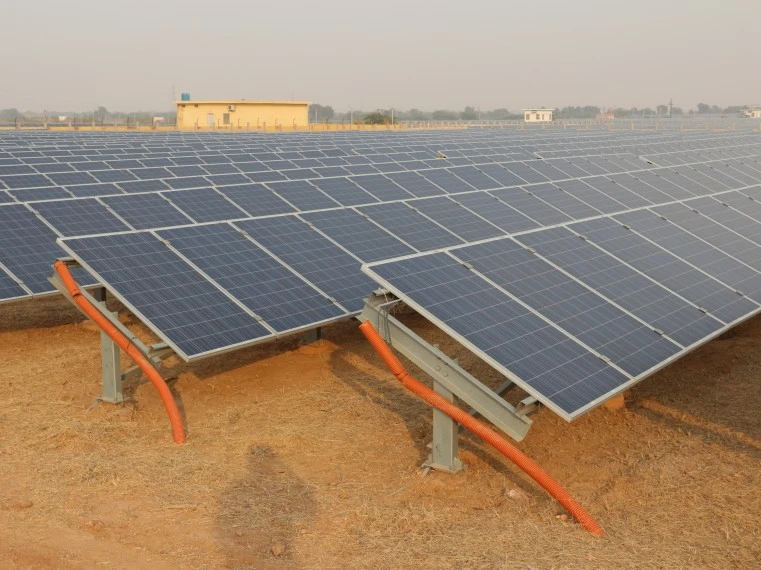
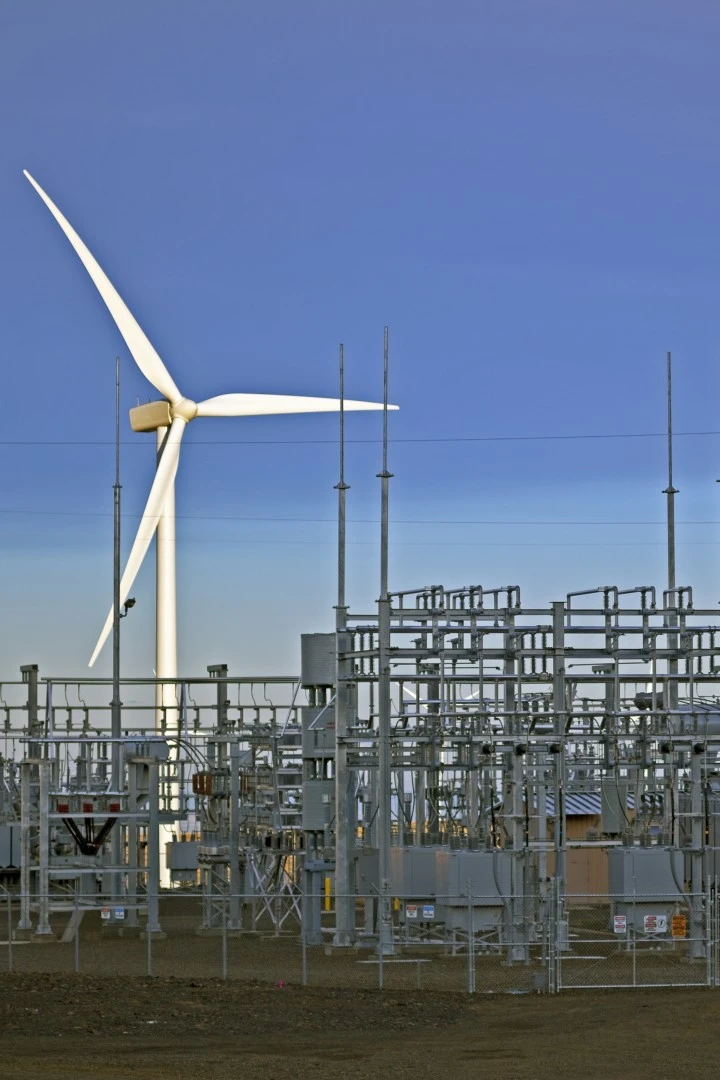
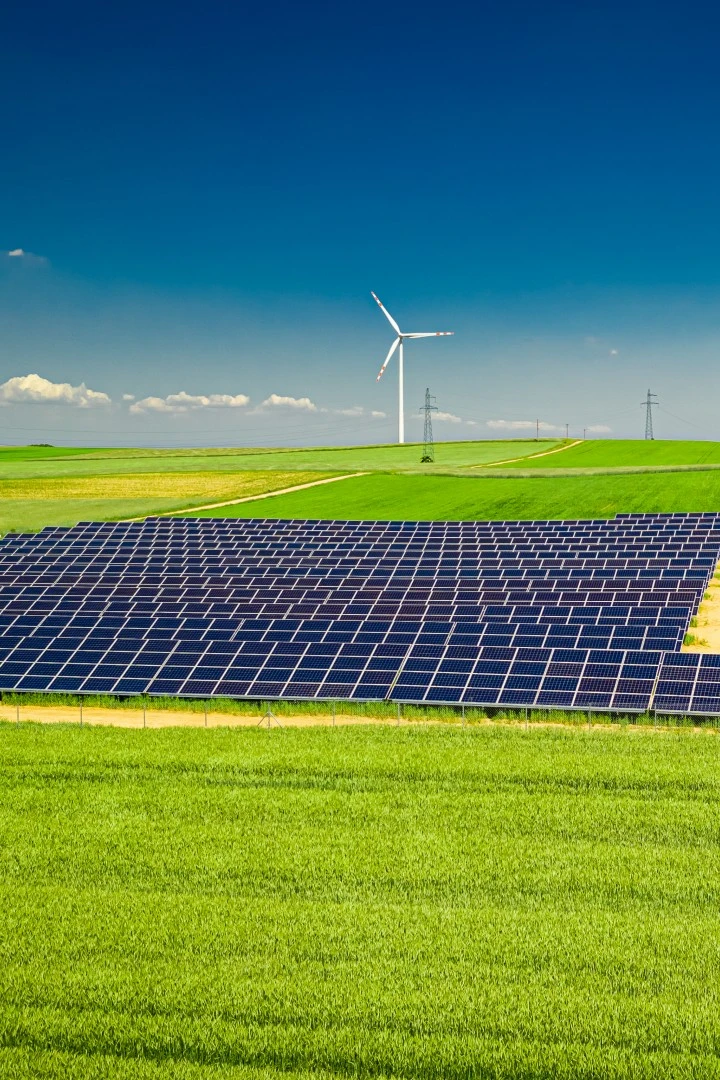
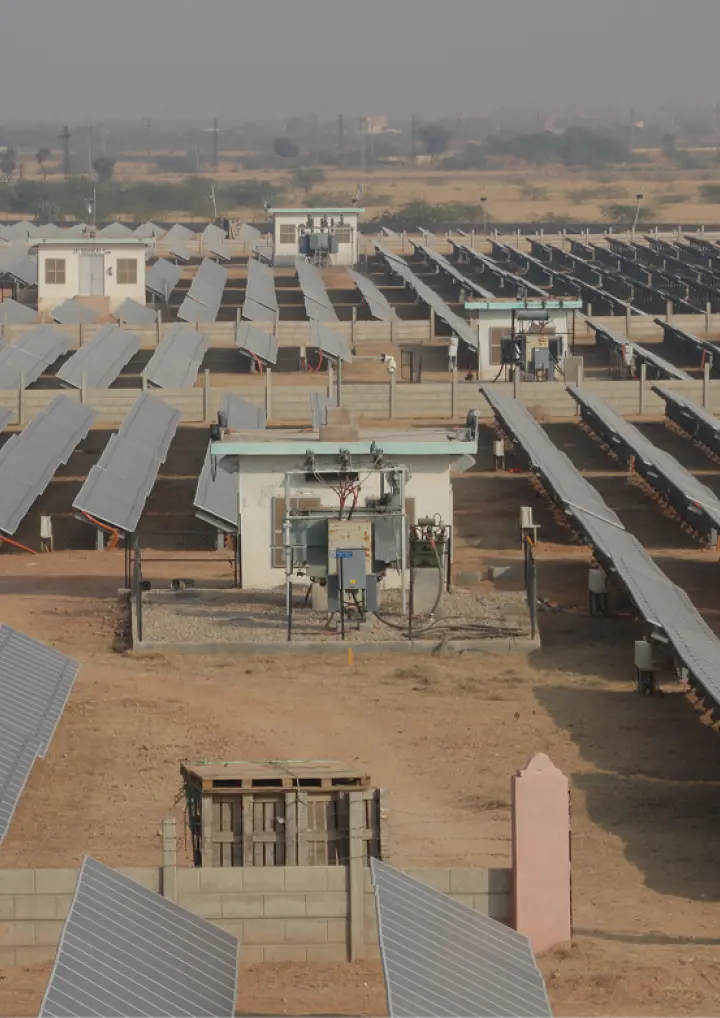
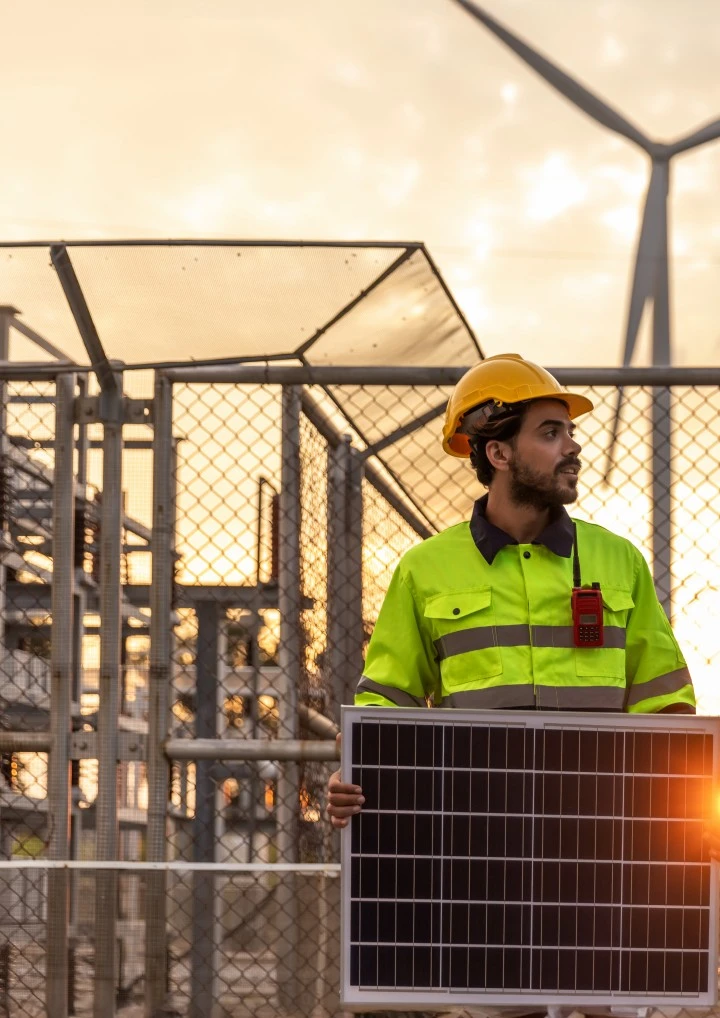
TATL’s commitment to Renewable has led to its embracing renewable energy, recognizing its potential synergies with existing business activities and its crucial role in sustainable societal development. The mission is clear: “Develop expertise in clean energy generation and contribute to environmentally friendly and sustainable development.” A comprehensive roadmap outlines the long-term vision, aiming to establish competencies and assets in wind, solar, and biomass power generation. The journey has already commenced, marked by the commissioning of a 1.5 MW wind turbine generator in Karnataka in March 2010, followed by the first ground mounted grid connected 2 MWp PV power project in Uttar Pradesh in January 2012. Notably, a significant milestone was achieved with the commissioning of a 10 MWp Solar PV plant in Bahraich, Uttar Pradesh, in February 2019.
- accreditions
Global-Standard Certifications

ISO 9001
Quality Management Systems
ISO/IEC 17025
Testing and Calibration Laboratories

ISO 14001
Environmental Management Systems

ISO 45001
Occupational Health and Safety Management Systems
Shaping a Cleaner Tomorrow
We continue strengthening our operations with forward-looking environmental goals that guide our long-term sustainability journey.
Energy Efficiency Progress
We aim to further reduce energy use through smarter machinery, improved process controls, and enhanced monitoring.
Cleaner Production Systems
Future upgrades will include advanced filtration, improved waste handling, and eco-focused engineering practices across all facilities.
Greener Product Solutions
We plan to develop more energy efficient, long life transformer designs that support low loss operation for global customers.